Embarking
This climbing refinement involving cutting-edge vehicles presses for an entire in-depth insight of diagnostic apparatuses, primarily involving On-Board Diagnostics II (OBD2) and Tire Pressure Monitoring Technologies (TPMS). Among Europe, Asia, and the US, these capabilities carry out using alternative frequencies. OBD2 norms are largely synchronized globally, essentially utilizing ISO 9141-50, KWP2000, CAN, and others, but regional enforcements can generate minor modifications. TPMS, however, is where pronounced frequency inconsistencies materialize. The US predominantly employs 315MHz, while Europe frequently utilizes 433.92MHz, and Asia presents a more dispersed range including both frequencies and alternative bands. Thus, precise diagnostic equipment must be loaded with the skill to read these diverse frequencies to allow effective troubleshooting and maintenance.
Revealing TPMS Sensor Frequencies: A Global Guide (Europe, North America, Asia)
Fathoming tire tracking system (TPMS) reader spectra in the globe remains tricky. Commonly, North states predominantly utilize 315 MHz, nonetheless some recent vehicles use 433 MHz. Yet, Europe and most of Asia largely work on the 433 MHz frequency, with some country-specific variations occurring particularly in particular Asian lands. This is, paramount to authenticate the correct channel in advance of purchasing TPMS gauges to guarantee accordance and evade potential troubles.
Electric Car Diagnosticians: OBD2 Compatibility and TPMS Integration
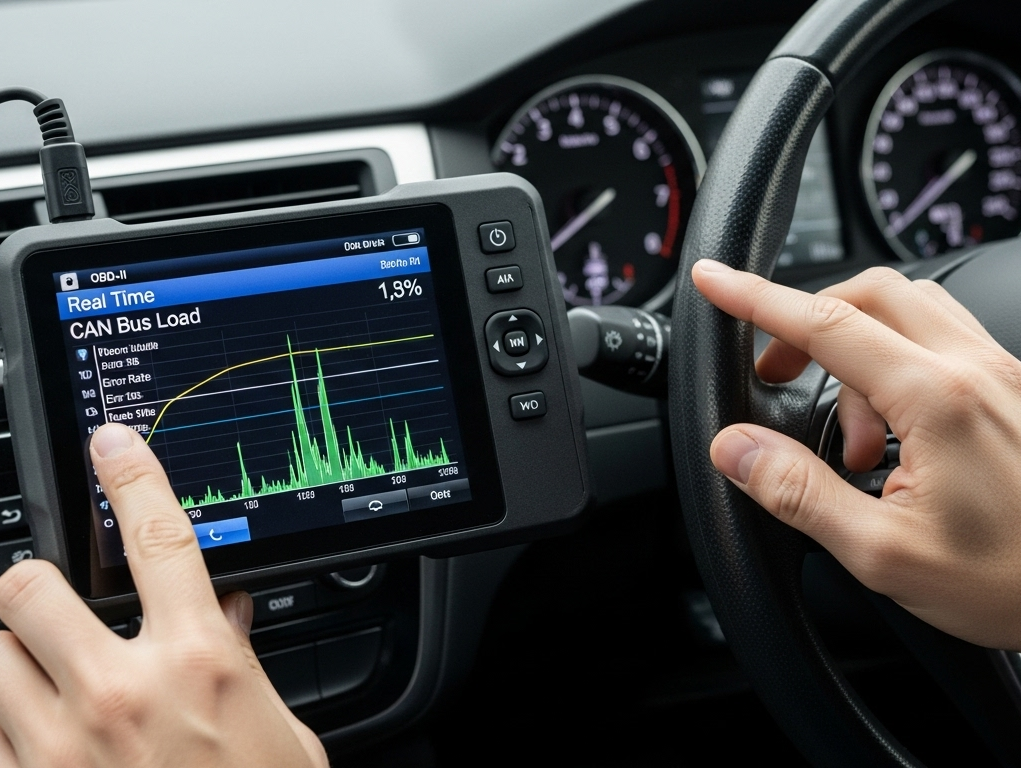
Latest battery-operated automobile scanners are increasingly embracing essential functionality, specifically concerning both conventional On-Board Diagnostics II (OBD2) support and Tire Pressure Monitoring System (TPMS) connection. Numerous non-gasoline rides utilize OBD2 ports for obtaining fundamental system readings, granting technicians and drivers to spot potential glitches. Furthermore, flawless TPMS association provides faithful tire pressure measurements, furthering to enhanced welfare and octane conservation. This integration of OBD2 reception and TPMS technology illustrates a remarkable step in electronically powered motorcar maintenance.
Tire Pressure Frequency Divergences: Europe vs. This Region vs. Asian Region - A Exhaustive Comparison
Such platforms responsible for watching tire pressure—TPMS—operate on unique radio spectrum, leading to major regional discrepancies. North America predominantly utilizes 315 MHz, though some modern vehicles are shifting to 433 MHz. Eurozone mandates 433.92 MHz, a designated frequency to validate harmonization across domains. Asia exhibits a fragmented landscape, with particular areas using 315 MHz, others 433 MHz, and still other territories employing a composite of both. This divergence presents challenges for service centers and operators when dealing with replacement TPMS devices or diagnostic apparatus, calling for careful inspection of regional criteria to sidestep troubles and warrant proper efficiency of the TPMS.
Vehicle Scanners for EV Vehicles: TPMS Analysis & Frequency Recognition
Up-to-date ride evaluators are constantly advancing to serve voltage-driven automobiles, specifically relating to tire sensor systems troubleshooting. Unlike ICE rides, battery cars present unique problems when it comes to TPMS verification. Many electric rides use variegated tire sensor platforms radio bands requiring the detector to verifiably process the frequency in use. This potential authorizes specialists to merely view pressure metrics but also discover the accurate radio signal being beamed by the monitoring network devices, contributing in sound troubleshooting of bugs.
Asia TPMS Ranges: Which Wish to Recognize?
Navigating the world of machine TPMS can be a difficulty, primarily due to the varying waves utilized across European Region, Asia, and the United States. Western European vehicles predominantly use 433.92 MHz, while Asian countries employ 315 MHz and 433.92 MHz, creating a thorny situation for installers. In the US, both 315 MHz and 433.92 MHz are widespread, with 315 MHz being more substantial. Ergo, understanding these regional disparities is essential for accurately resolving TPMS issues and selecting the proper programming tools.
Beyond such Basics: Transport Diagnostics, Battery-Powered Transport Vehicles, & Wheel Pressure System Device Broadcast Identification
Concerning competent automobile experts, just apprehending specific core concepts of motor vehicle inspection, battery-powered motor vehicle structures, plus wheel pressure monitoring transmitter rate determination constitutes the critical developed step. Such categories explore into standard methods, entailing particular tools plus experience with the aim of rightly diagnose or repair challenging obstacles connected with machine wheel pressure, power infrastructure functionality, alongside propulsion system malfunction warnings. As well, effectively identifying tire pressure monitoring device signal rates – often change for specific brands even versions – can be critical for successful recalibration.
Electric Vehicle Diagnostics: Using OBD2 Scanners to Troubleshoot TPMS
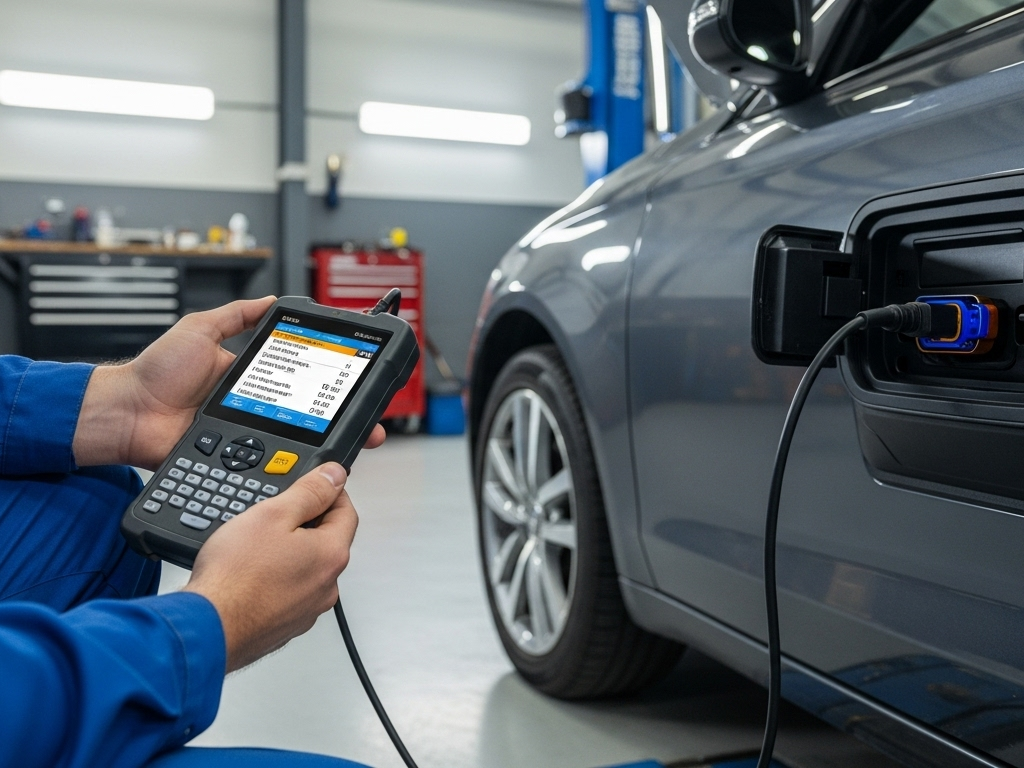
Troubleshooting Tire Pressure Monitoring Systems TPMS in electric vehicles EVs often includes more than exclusively visual inspection. Modern OBD2 testers offer noticeable ability to obtain TPMS data and recognize potential problems. Utilizing these devices, technicians can monitor fault codes, scrutinize sensor function, and even execute sensor examinations, allowing for accurate diagnosis of pressure sensor defects and minimizing service disruption. These is especially necessary given the growing complexity of EV systems.
Comprehending Tire Pressure Monitoring Systems Signals: A Step-by-step Introduction for Western Europe, the Asian Region, and North America
Consistently handling TPMS all through European Union, the East, and The Americas needs a detailed proficiency of the changing signal bands they work with. Differing from a uniform system, different zones typically observes specific frequency bands. Example being Western Europe primarily utilizes 315 Megahertz and 433 million nine hundred twenty kHz, while United States and Canada normally operates on hundreds fifteen MHz tpms frequency europe asia us even though some fresh models could embrace 433.92 MHz frequency. Far East presents a broader variety outlook, with various spectral regions being employed, contingent upon the area and car brand.
- Reflect on area guidelines regarding wireless signal.
- Check your car operating manual for exact signal.
- Deploy a gauge reader capable of reading diverse signals.